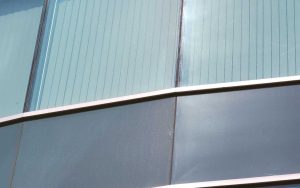

The Thermal Liability of Architectural Glass
For commercial high-rises and office buildings, expansive glass facades are an architecturally beautiful feature, but they are also a massive thermal liability.
During the summer months, solar heat gain through untreated windows forces your HVAC system to run at maximum capacity. In the winter, that same glass allows radiant heat to escape. If you are looking for a high-ROI method to reduce energy consumption without the capital expense of replacing your windows, commercial building window tinting services (architectural window film) are the engineered solution.
Applied directly to the interior surface of the glass, modern solar control films act as a thermal shield, optimizing your building’s energy performance while remaining virtually invisible from the outside.
The Engineering and Financial Benefits of Window Film
1. Drastic HVAC Load Reduction (Up to 30% Savings)
The primary goal of commercial window tinting is to reject solar energy before it heats the interior space. By blocking infrared heat, window film significantly reduces the strain on your chillers and air conditioning units. Because of this massive reduction in energy consumption, commercial window film installation typically pays for itself in just three years.
2. UV Mitigation and Asset Protection
Untreated glass allows ultraviolet (UV) rays to penetrate the building, which degrades tenant property, fades expensive office furnishings, and damages sensitive machinery. High-performance window films block up to 99% of harmful UV rays while still allowing natural visible light to illuminate the space.
3. Tenant Comfort and Glare Reduction
Temperature imbalances, where perimeter offices are sweltering while interior offices are freezing, are a constant headache for property managers. Window film equalizes interior temperatures by insulating the glass against both extreme heat and cold. Additionally, it eliminates harsh glare during morning and evening hours, making computer screens easier to read and improving overall tenant satisfaction.
4. Enhanced Building Security
Beyond thermal control, specialized security window films add a layer of shatter-resistance to your glass. In the event of an impact or severe weather, the film holds the broken glass shards together, protecting tenants and preventing the envelope from being fully breached.
The “Total Envelope” Strategy: Combine and Save
Window tinting is highly effective on its own, but it is just one part of a high-performance building envelope. At Presto Restoration, we recommend combining interior window film with exterior restoration to maximize your building’s efficiency and lifespan.
-
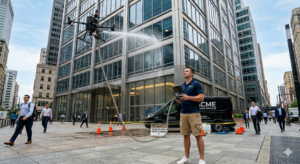
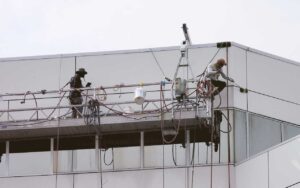
Glass Restoration: Before tinting the inside of the windows, we completely refurbish the exterior glass. By removing hard water stains, mineral leaching, and scratches, we restore the glass to a like-new condition, saving you the massive cost of window replacement.
-
Envelope Tightening (Caulking & Wet Glazing): Tinting a drafty window is counterproductive. We replace failing control joint caulking and perform wet glazing to stop air and water leaks, ensuring your newly tinted windows are fully airtight.
-
Cool Roof Coatings: Pair your window tinting with a reflective silicone roof coating. This lowers the temperature of your commercial roof by up to 50 degrees, providing a dual-threat reduction to your overall energy and water usage.
Upgrade Your Building’s Performance
If your commercial building’s windows are more than a few decades old, or if you are located in an area with extreme temperature fluctuations, solar control window film is the smartest retrofit you can make.
Ready to lower your energy costs and upgrade your facade?
Contact Presto Restoration today for a consultation on commercial building window tinting services and total envelope restoration.