


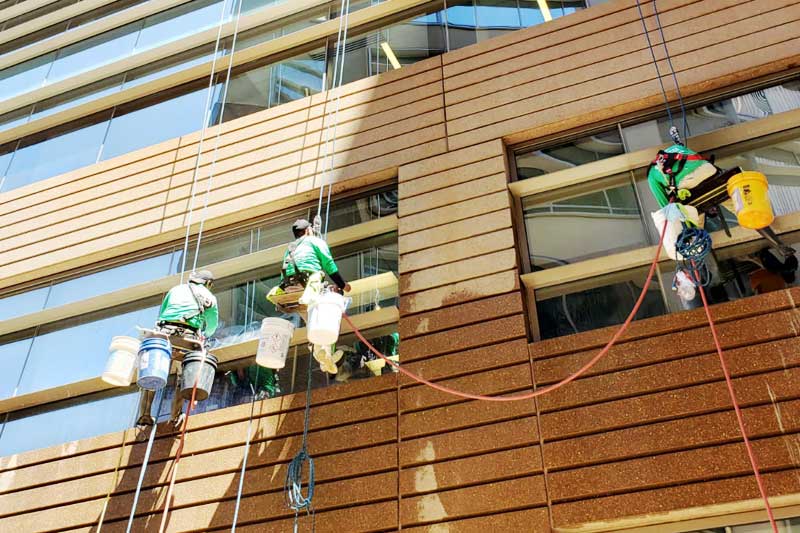
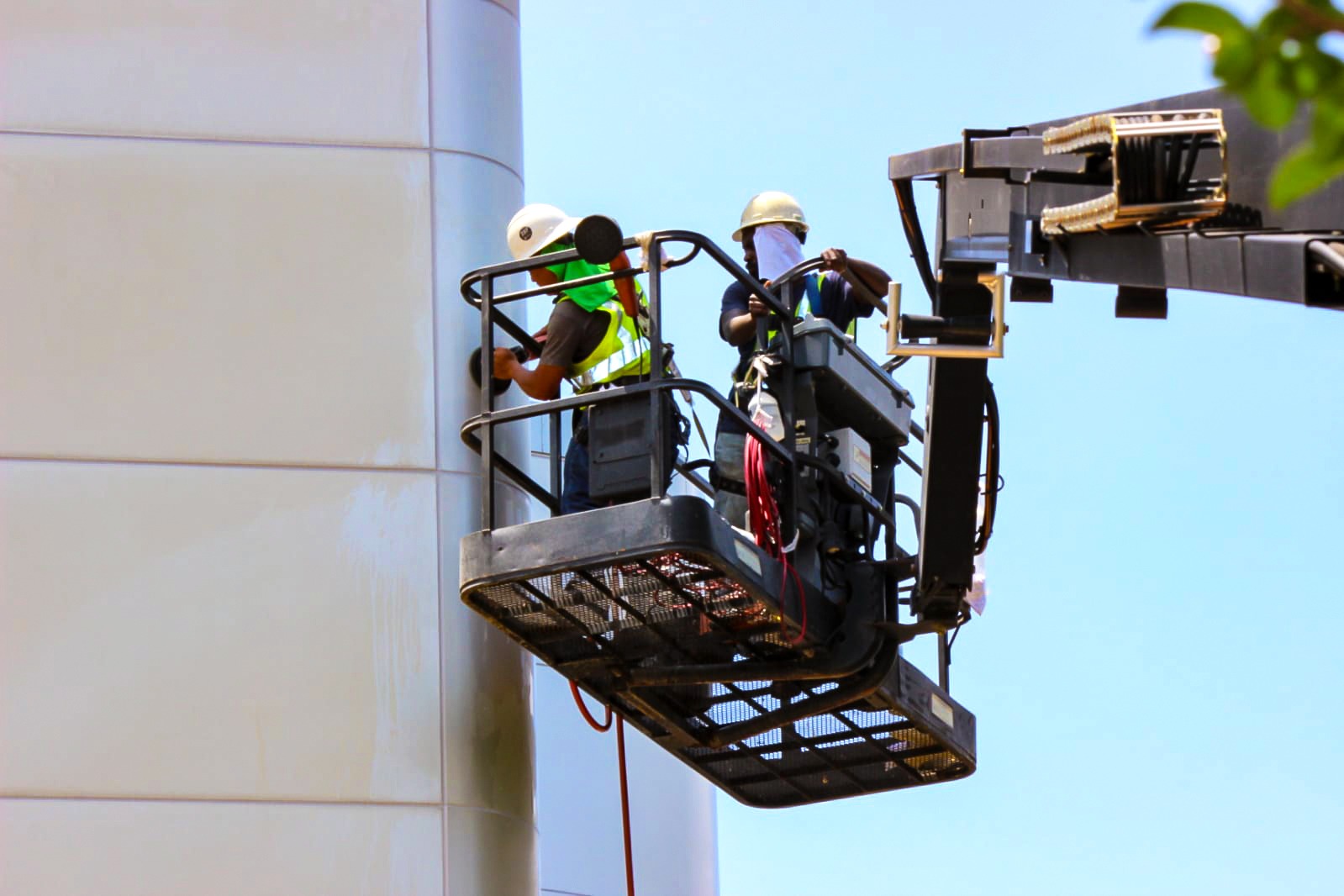






Columbia’s history is written in its buildings. The granite State House, completed in the early 1900s after decades of work, still carries marks from 1865. The brick buildings of the University of South Carolina’s Horseshoe date to the early 1800s. Main Street and the Vista hold commercial blocks and converted warehouses from the late 1800s and early 1900s, and neighborhoods such as Elmwood Park, Waverly and Earlewood are lined with historic homes and small commercial buildings. Many of these structures are now offices, apartments, museums and campus buildings, and they face the same threats every year: heavy rain, constant humidity, heat and biological growth.
Older buildings need a different kind of care than new ones. The mortar has to stay softer than the historic brick around it, cleaning methods must lift dirt without scarring stone, and every repair should match the original as closely as possible. Presto Restoration follows the National Park Service’s Preservation Briefs on every historic project, and we work alongside your architect when a building in a designated historic district or a city landmark needs review by the City of Columbia’s Design/Development Review Commission.
Our crews bring more than 25 years of restoration experience to this work. We repoint brick with matched lime mortars, clean and repair stone, restore historic windows and metalwork, and apply breathable treatments that protect the wall without trapping moisture. The goal is to keep your building sound and dry while preserving the character that makes it part of Columbia’s story.
From state and university landmarks to small storefronts and historic homes converted to offices, Presto provides preservation services for Columbia buildings of every kind, always with materials suited to how they were first built.
On Columbia’s older brick buildings, the mortar usually fails first. Decades of downpours and damp air soften and wash out the original lime mortar, opening paths for water into the wall. Many of these buildings were later patched with hard Portland cement mortar, which does more harm than good: it will not give as the wall moves, so the softer historic brick cracks and its face breaks away instead. We remove failing joints carefully and repoint with a lime-based mortar matched to the original for strength, color, sand texture and joint shape, replacing damaged brick with salvaged or custom-made units that blend in.
Granite, marble, limestone and historic stucco appear on many of Columbia’s civic and commercial landmarks. Moisture, heat and biological growth gradually stain these surfaces, open cracks and loosen joints. We clean stone with the gentlest method that works, repair chips and spalls with compatible patching materials, and reset loose pieces. For historic stucco, we repair cracks and delaminated areas with mixes that match the original, so the patch moves and breathes like the wall around it.
Original wood and steel windows are a big part of a historic building’s character. In Columbia’s humid climate, wood rots where paint fails, steel frames rust, and old glazing putty dries out and cracks. We repair and refinish historic frames, replace failed glazing compounds and seal window perimeters, so original windows can stay in place and keep water out for years to come.
Cornices, columns, carved stone, decorative brickwork and trim are what give a historic Columbia building its personality, and they are also where rain and debris collect. As these features decay, pieces can loosen and fall. We secure what is loose, mend broken elements with compatible materials and recreate missing pieces when necessary. If a detail can be repaired, we repair it; if it has to be replaced, we reproduce its profile and finish.
Look closely at Columbia’s historic commercial blocks and older homes and you will find cast iron storefronts, copper gutters and roofing, and ornamental ironwork. Moisture and age leave this metal rusted, stained or buried under many coats of paint. We strip and clean it with techniques that spare the original surface, stop active corrosion and apply protective finishes, and we reseal any metal-to-masonry joints that are letting water behind the work.
Historic masonry has to breathe, and that changes how it should be waterproofed. A film that seals the face of an old wall can trap moisture inside, where it does more damage than the rain ever would. Our approach starts with the leaks themselves: open mortar joints, cracked caps and copings, and failed flashings. Only after those are fixed do we consider a vapor-permeable water repellent, and then only where it will cut absorption without altering the wall’s appearance.
Before we change anything on a historic Columbia building, we take time to understand it. That means recording what is original, tracing each problem to its cause and planning repairs that protect the building’s past, whether or not it carries a formal designation.
We document the building’s condition, original materials, past repairs and any historic designation, so every decision starts with a clear picture.
Brick, stone and mortar are identified and, where useful, mortar samples are analyzed so the new materials match the old ones in strength and appearance.
Findings become a scope built on preservation standards, ready to support any City of Columbia review the project needs.
Trained crews carry out the work carefully, protecting original materials and the people and spaces around the building.
Closeout includes photo records and material documentation that become part of the building’s history.
Crumbling mortar, darkened stone or old windows that let in water with every storm? Call us or request a quote, and our team will respond to discuss your historic Columbia building and the right way to restore it.
Historic buildings stay healthy with steady, gentle care between restoration projects. Presto works with a local support network so owners of Columbia’s older buildings can keep them maintained the right way all year.
For routine upkeep and everyday facility needs, property managers can reach out to our sister companies:
Building Restoration Columbia: Localized repairs and exterior preservation for Columbia buildings.
Building Maintenance Columbia: Preventive maintenance that protects older Columbia properties between projects.
Building Services Columbia: Comprehensive day-to-day support for Columbia commercial buildings.
View completed Presto restoration projects in South Carolina, including precast stone and window glass restoration in Greenville.
Standard restoration aims to make a building sound and watertight, often with the best modern products available. Preservation has the same goals but also protects original materials and appearance, so it relies on matched mortars, gentle cleaning and repair of original features rather than replacement.
Historic brick in Columbia was usually laid in soft lime mortar designed to be the weakest part of the wall. It flexes with movement and lets moisture out. Hard cement mortar reverses that relationship, trapping water and pushing stress into the brick until it cracks and spalls. Matching the original lime mortar keeps the brick healthy.
In most cases, yes. The usual culprits are open mortar joints, failed flashings, cracked copings and tired window seals. Repairing them with compatible materials stops the water without changing the look of the building, and a breathable repellent can be added where extra protection helps.
A small building may need only a few weeks of repointing on one elevation, while a large landmark can take many months. When a project requires historic review, that approval has to come before work begins, so we build it into the schedule.
We do, including designated landmarks and properties in the city’s historic and architectural conservation districts. Exterior work on these buildings may need review by the City of Columbia’s Design/Development Review Commission, and we provide the scope and material details that review calls for.
We share survey results, material tests and our proposed methods early, so the architect and any reviewers can weigh in before work starts. Throughout the project we photograph the work and flag any surprises we find behind the wall.
Yes. The Preservation Briefs published by the National Park Service guide our methods for repointing, masonry cleaning, stucco repair and historic windows. Following them protects your building and helps any project that needs preservation approval.
Every storm season that passes without repairs costs a historic building a little more of its original fabric. Share some details about your Columbia property, and we will help you plan work that protects both the structure and its story.
Call 1-800-785-9927 or Request A Historic Restoration Quote online.